
Beginning with Power Efficiency
Making the home energy-efficient prior to setting up a renewable resource system will save money on electrical energy bills. Energy-efficiency improvements can preserve energy and prevent warm or great air from leaving. Property owners can get home energy assessments and mount appropriate insulation, air sealing, and ENERGY CELEBRITY- qualified windows, cooling and heating tools, cooking area home appliances, and lighting systems. Smart water usage, offered daytime, appropriate landscaping, and indigenous greenery can likewise enhance home performance.
Incorporate Renewable Energy
Once home energy-efficiency improvements have been made, homeowners are best placed to consider alternatives for mounting a renewable resource system.
Geothermal Warmth Pumps
Geothermal heat pumps, additionally referred to as ground source or water source heatpump, transfer warmth right into and out of the home, making use of the ground as both a warm source and a heat sink. These pumps can achieve performances a couple of times above commonly utilized air resource heat pumps (ASHPs), due to the fact that they depend on the reasonably consistent ground temperature levels to transfer warmth to or from a home. Throughout much of the United States, the temperature of the top 10 feet of the ground remains in between 45deg; deg; F and 75 deg; F, and commonly between simply 50deg; deg; F and 60 deg; F.you can find more here renewable-energy-advisors.com from Our Articles By contrast, air temperatures can range, over the course of a year, from listed below 0deg; deg; F to over 100 deg; F. Geothermal heat pumps are durable and sturdy, and particularly outfitted systems can likewise supply warm water during the summer season. While acquiring and mounting a geothermal heat pump costs greater than setting up an ASHP system with similar capacity, the additional prices can be redeemed with power financial savings in 10 to 15 years compared to ASHPs.
Solar Water Home Heating
Solar water heaters use sunshine to heat water for the home. Solar water heating systems use protected tank and solar batteries to catch and retain warm from the sun, and heat flowing water. Solar water heaters need a back-up system, such as traditional warm water heaters, when there wants sunlight.
Solar Power Solutions
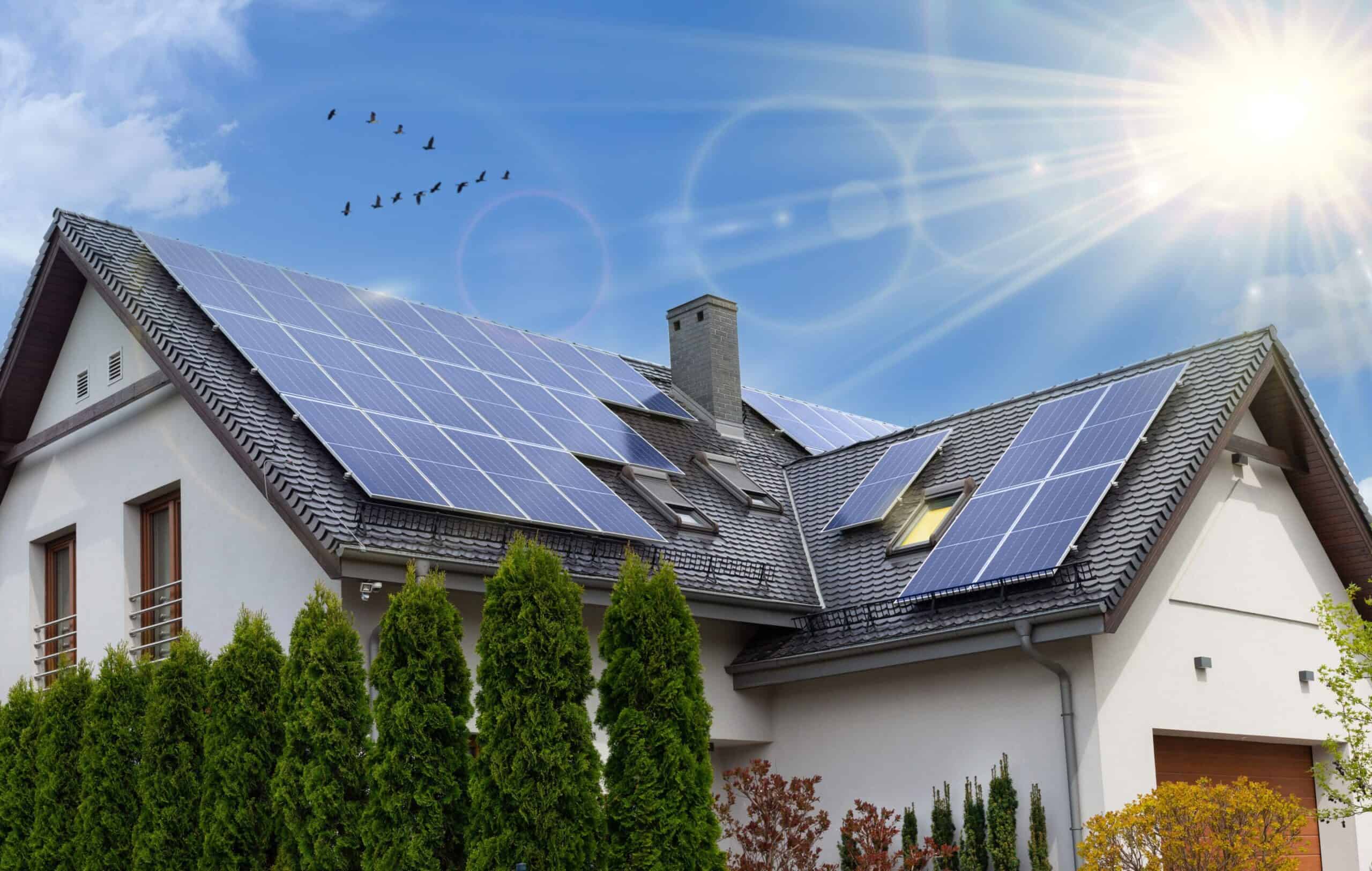
Solar photovoltaic or pv (PV) systems convert sunshine right into electricity. Solar power can generate all or several of a homes electrical energy needs, relying on the number of photovoltaic panels used, and can heat water too. With sufficient sunlight, PV systems can harness energy in hot and cold environments. The basic building block of a PV system is the solar battery. Numerous solar batteries form modules called photovoltaic panels that range in outcome from 10 to 400 watts. Panels are created to survive tornado and hail storm damages and are resistant to deterioration from ultraviolet rays. They are extremely dependable and call for little maintenance. Panels are generally grouped with each other on a structure rooftop or at ground level in a shelf to develop a PV variety. The variety can be installed at a fixed angle or on a tracking tool that follows the sun to optimize sunlight capture.
Wind Power Solution
Little household wind power systems can create all or a few of a homes electrical power requirements(if sufficient acreage and average wind speeds are offered) and can be incorporated with solar and battery storage space to offer emergency backup power. Wind wind turbines utilize the motion of the wind to turn a shaft connected to a generator, which makes power. The dimension of the generator and the rate of the wind identify how much power it will make. Typical property wind energy systems have power rankings ranging from 5 to 30 kilowatts. To be an appropriate prospect for a wind system, a property owner must contend the very least one acre of land and live in an area that has a typical annual wind speed of at least 10 miles per hour. The wind turbine tower elevation must be chosen based on the height of close-by wind blockages, such as buildings or plants, and are commonly 60 to 140 feet high.
Estimated Prices
Federal and state rewards can considerably decrease the ahead of time prices of mounting a renewable energy system. The Data Source of State Motivations for Renewables Efficiency can aid property owners locate motivations near them. Plus, renewable energy systems can spend for themselves in time. Grid-connected solar and wind systems are particularly cost-efficient due to the fact that excess electrical energy is sent back to the power grid and can make homeowners direct rebates or credit ratings from neighborhood energy companies.
- Solar PV systems cost regarding $3 per watt mounted. A 7,000 watt (7 kilowatt) system consequently costs about $21,000 to install. Such a system would give 20 to 35 kilowatt-hours of electricity daily, depending upon climate, and might fulfill the majority of a homes
- demand. Solar warm water systems can fulfill 50% of the hot water needs for a household of four and generally cost between $5,000 and $7,000 to mount.
- Little wind power systems cost approximately $5 per 120 kilowatts to install. Investing in and mounting a system can range from $10,000 to $70,000, depending upon neighborhood zoning, permitting, and energy interconnection expenses.
Selling Power
Numerous homeowners can sell any kind of excess energy their solar and wind systems produce back to their energy companies and, as a result, pay off their renewable resource financial investments more quickly. Most states have actually established internet metering regulations for consumers that generate excess electrical energy with solar, wind, or various other systems and feed it right into the grid. In net metering, a bi-directional meter records both the electrical energy the home draws from the grid and the excess electricity the homeowners system feeds back into the grid.